

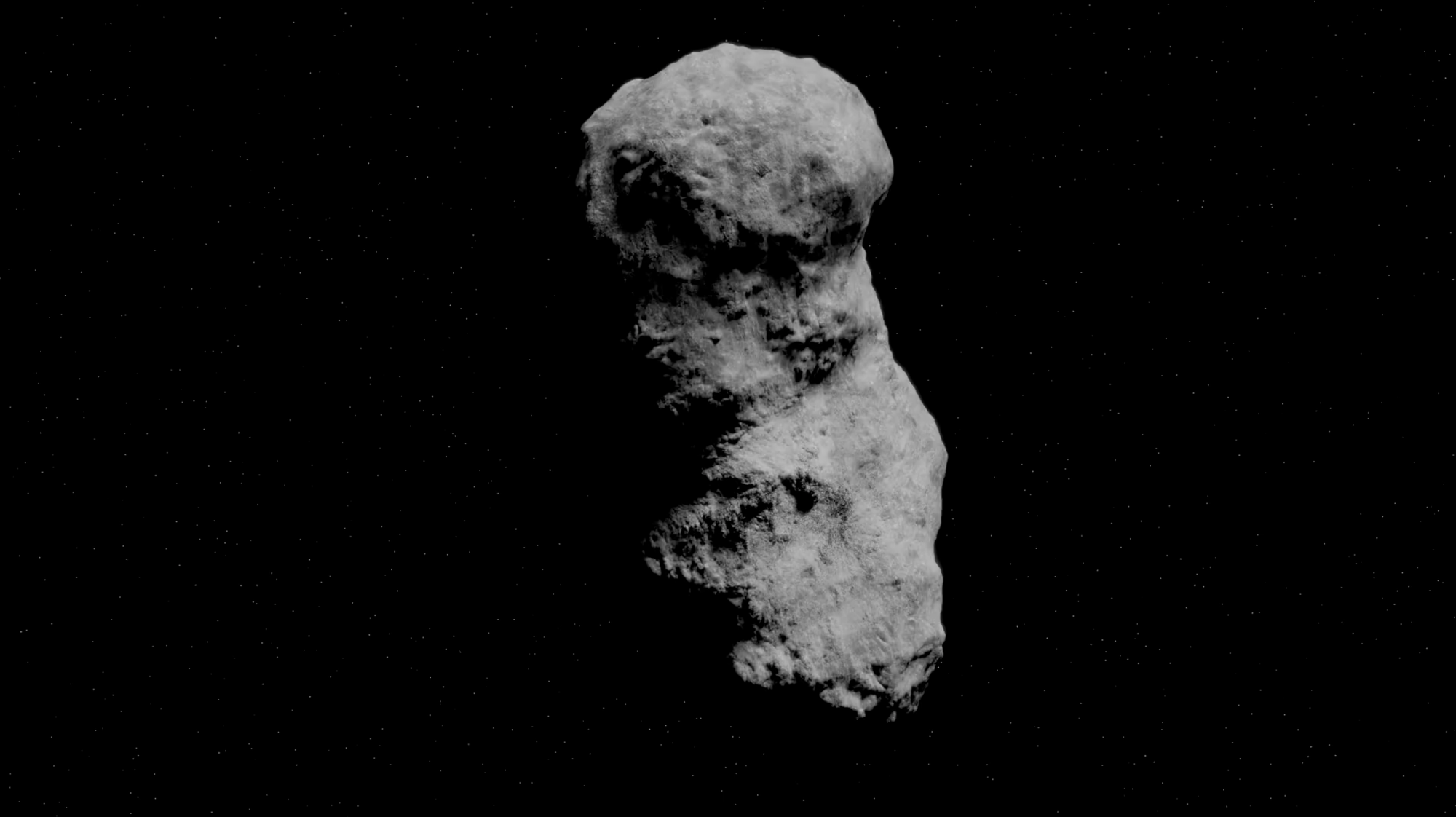
We sell fuel in space, starting with water. Asteroid water avoids Earth’s expensive gravity well.
From single-use to reusable spacecraft.
What a time to be building!
If we extrapolate the early data from the Vera Rubin Observatory, the massive new telescope that started its sky survey earlier this year, we are likely to see over 100,000 new asteroid discoveries this year. Many of these are main belt objects that are interesting but too far away for us right now.
About ~10% of the new discoveries are near Earth asteroids and about half of those are the C-type (carbonaceous) asteroids we are interested in. That means 5,000 new targets per year, almost 100 per week.
The primary reason we are interested in C-type asteroids is their water content, which sits in a range from ~2% up to ~10% of the total mass. Water is not available as surface ice, but bound as hydrated minerals/clay. The same minerals also contain carbon- and nitrogen-bearing compounds that give us a broad range of volatiles to work with for fuel production.
In its simplest form, we are processing the following sequence:
Regolith Clay -> Water -> Oxygen / Hydrogen (add in Carbon) -> Oxygen / Methane
These steps are the first ones on a roadmap that also allows us to make different kinds of fuel beyond the most common ones, with a full sweep of the periodic table available in these loosely bound clays.
Artemis -> Lunar Missions
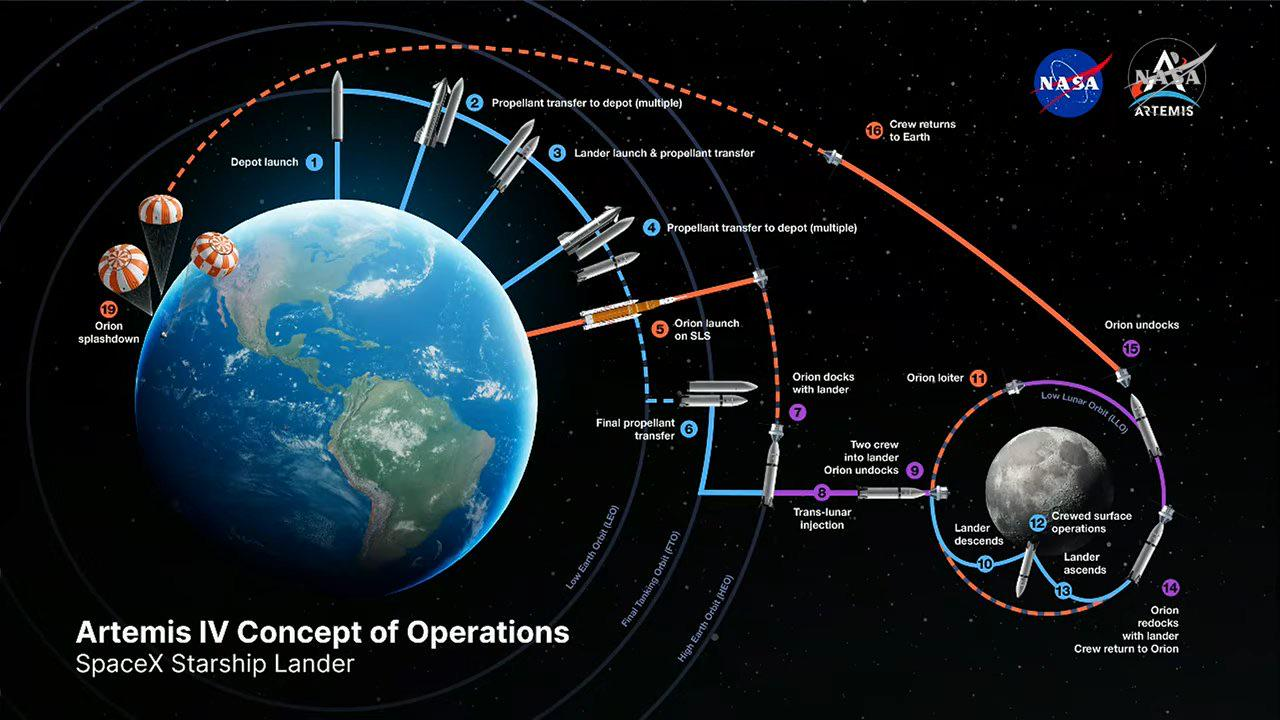
The Artemis program that NASA is running to build out lunar activity relies heavily on orbital refueling, one of the major technical steps that has not been demonstrated yet.
The Starship architecture that SpaceX is building relies on refueling using other Starships. The ship expends all of its fuel just to get to low Earth orbit and is stuck there without a refill.
A single Starship requires a complete refill to have enough energy to go down to the Lunar surface or to go to Earth escape. The current payload capacity, as demonstrated on flight 15 (see below for the awesome video of the ship catch) is about 50 tons to LEO. SpaceX will try to improve that performance, but will also need to maintain margin for a ship recovery for its unit economics to make sense.
SpaceX - Starship catch
The updated architecture that NASA presented at a recent Artemis update now shows a second refueling cycle after the low Earth orbit one called Final Tanking Orbit.
If you extrapolate aggressively, Starship should be able to deliver 100 tons to orbit in 2028/2029 when this mission is supposed to take place. If all of that mass is fuel, it requires 15 launches to bring enough fuel to LEO to refuel a single ship to go down to the Lunar surface. That math does not really change with this Final Tanking Orbit, because you still need to move the fuel to that higher energy orbit even if the ship staging is more efficient because it is not carrying as much for the LEO->FTO portion.
An aggressive 2028 flight rate would be 1-2 launches per week, which means the refueling flights would take 8-16 weeks. A similarly aggressive ramp for 2029 would be 2-5 launches per week, which would compress that timeline to 3-8 weeks.
That all ignores things like fuel boil-off (liquid oxygen and especially liquid hydrogen are hard to store), fuel transfer efficiency (some stuff remains stuck in the tank) and the whole orchestration around dozens of launches.
And cost, because landing the ship is not the same as reusing the ship. The current cost runs at ~$100M per launch (excluding Starship R&D) although that will certainly come down as they start to reuse hardware.
Our current refueling customers are spacecraft that require 500-5,000 kg of propellant, not quite the 1,500,000 kg that Starship needs for a full refill.
Stretch goals...
Spacecraft
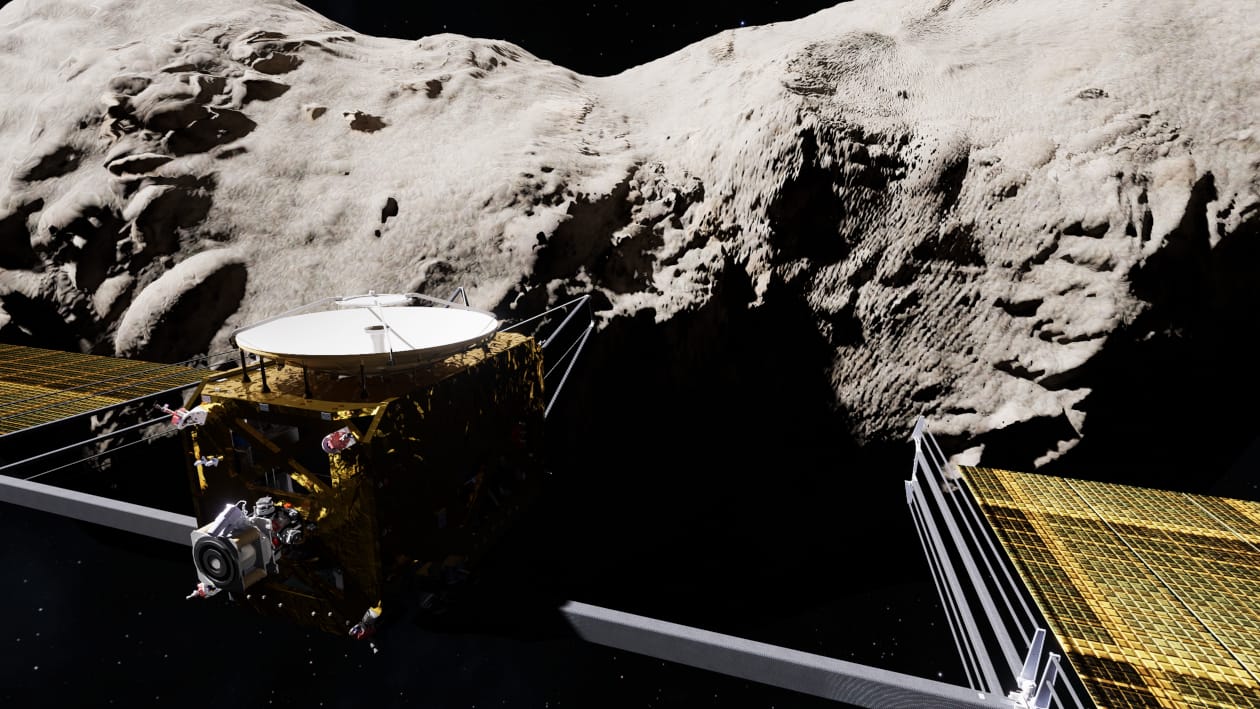
We changed a number of architecture choices for our spacecraft in the last couple of months, improving performance and reliability significantly.
Our primary propulsion system uses Hall effect thrusters to provide the massive amount of delta-v we want to give us flexibility and fuel-efficiency as we head to our target. Our original design used 3 smaller thrusters, which were fairly low performance individually but which combined allowed for enough thrust and lifetime survival to make our mission close.
We changed that system from the 3 small into 1 large thruster, selecting a system that provides much higher performance and total lifetime. We also upgraded our reaction control system, both to accommodate the larger Hall effect thruster and to increase the fuel margin we are carrying.
And this system can also be refueled in orbit, giving us the flexibility to increase our mission life by refueling our own vehicle.
Space Torpedoes
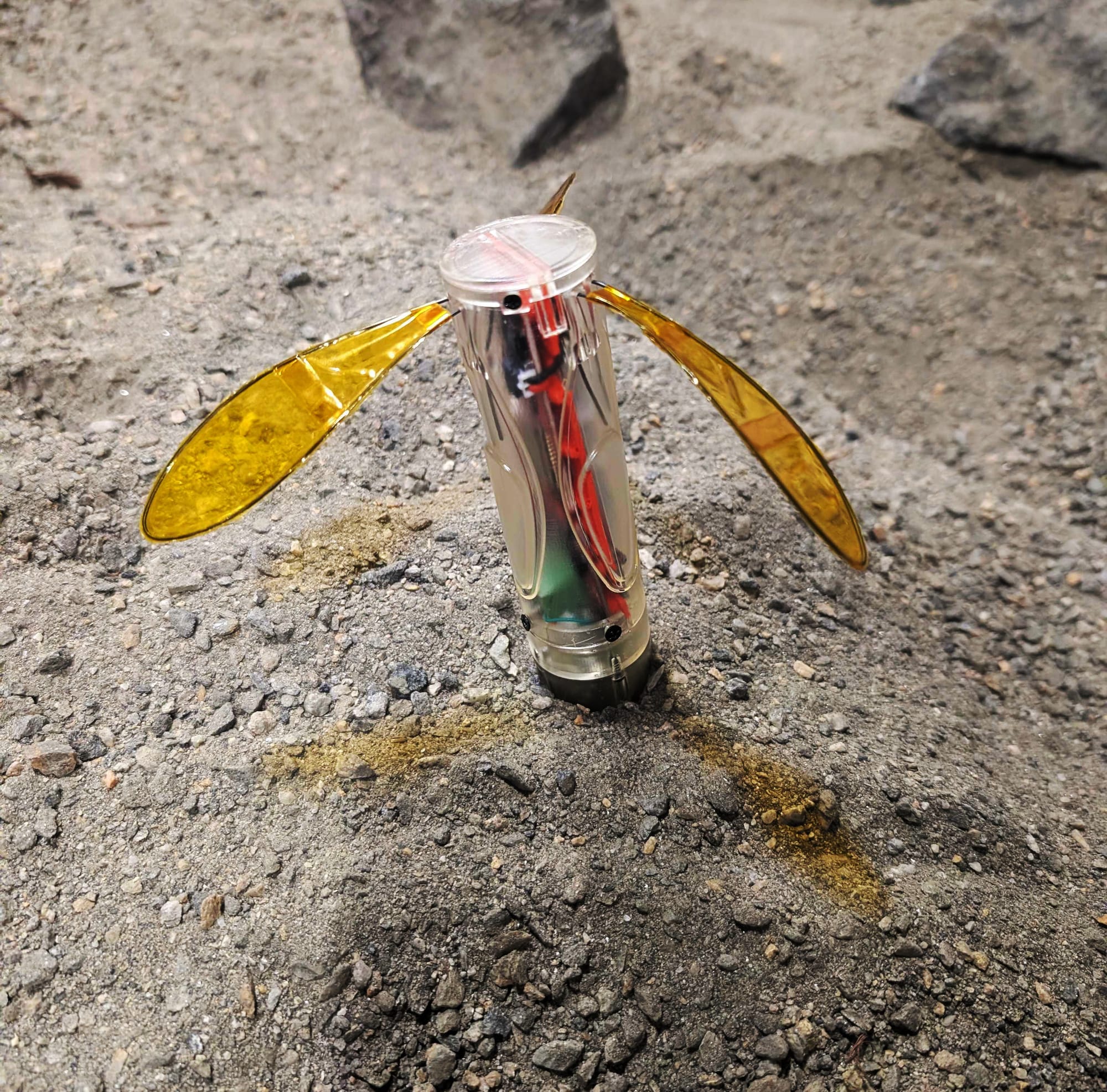
One of the major additions to our spacecraft architecture from the last 6 months are our space torpedoes. These darts, which carry a wide range of different sensors, are deployed from a standoff distance of about 100 meters to land in the asteroid regolith. They offer several hours of sensor data to give us a better sense of the thermal and intertial behavior of the surface as well as the subsurface structure.
This will help us massively in identifying the most attractive locations for excavation, as well as give us a better sense of what asteroid mining at scale will look like.
Component Qualification
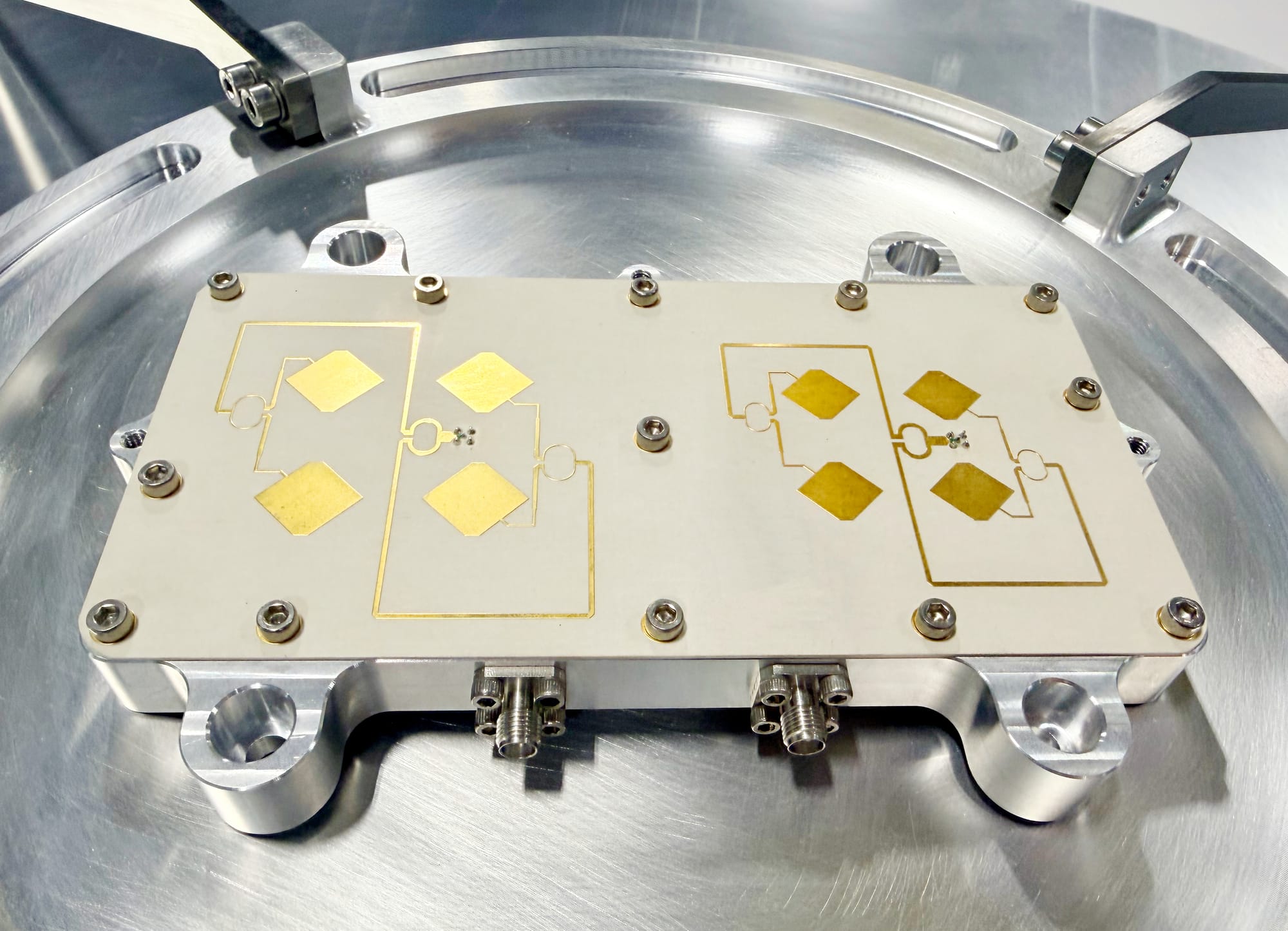
Most of the components we develop in house were brought in house because some combination of performance, schedule and price don't work for our missions. This is especially true for our communications system, which needs to provide high data rates from an Earth range of 50+M kilometers without access to the massive ground station network called DSN that NASA operates for its own deep space missions.
Commercial ground stations exist, but they are a step change lower in performance which pushes capability requirements onto our spacecraft (which is already mass and power constrained).
Our X-band system combines a Johns Hopkins APL heritage Frontier radio with our internally developed diplexer, (110W) power amplifier and (11 dbi) medium and (34 dbi) high gain antenna.
This spacecraft-side combination with a commercial ground station gives us over 1 Mbps of data rate at the asteroid, making sure we can downlink high res images and video as well as optimize our spacecraft operations including our optical navigation algorithms.
Solar Arrays
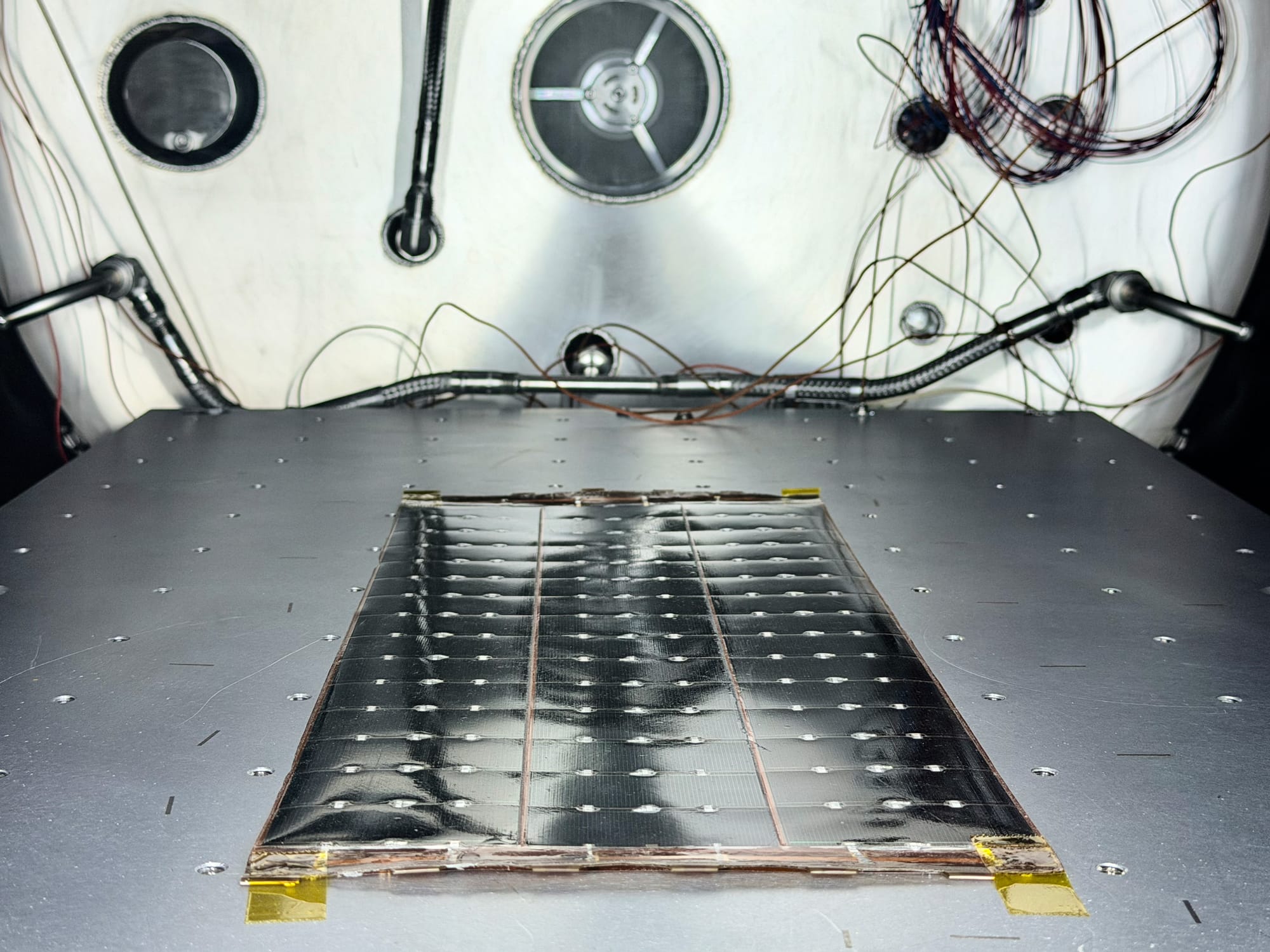
Changing our mission profile also drives changes to the thermal conditions we might encounter. Our original assumptions included regular eclipse cycling in low Earth orbit as we spiral out to Earth escape after an SSO deployment. This is followed by extended time in which we encounter high radiation but don't see any eclipses.
This spiral maneuver introduces a small chance that we encounter a 'super eclipse' later in the spiral before we hit Earth escape. That eclipse duration is 3-4 times the length of the LEO ones which drives our cold case survival range down quite a bit. The likelihood that we actually encounter this scenario is very low and avoidable at the expense of 1-2 weeks of extra mission time, but it did trigger a review of what the actual survival range for our solar array is. We ran the blanket at a much lower temperature range to ensure we had no issues even if we end up in that trajectory edge case.
Asteroid Maffia
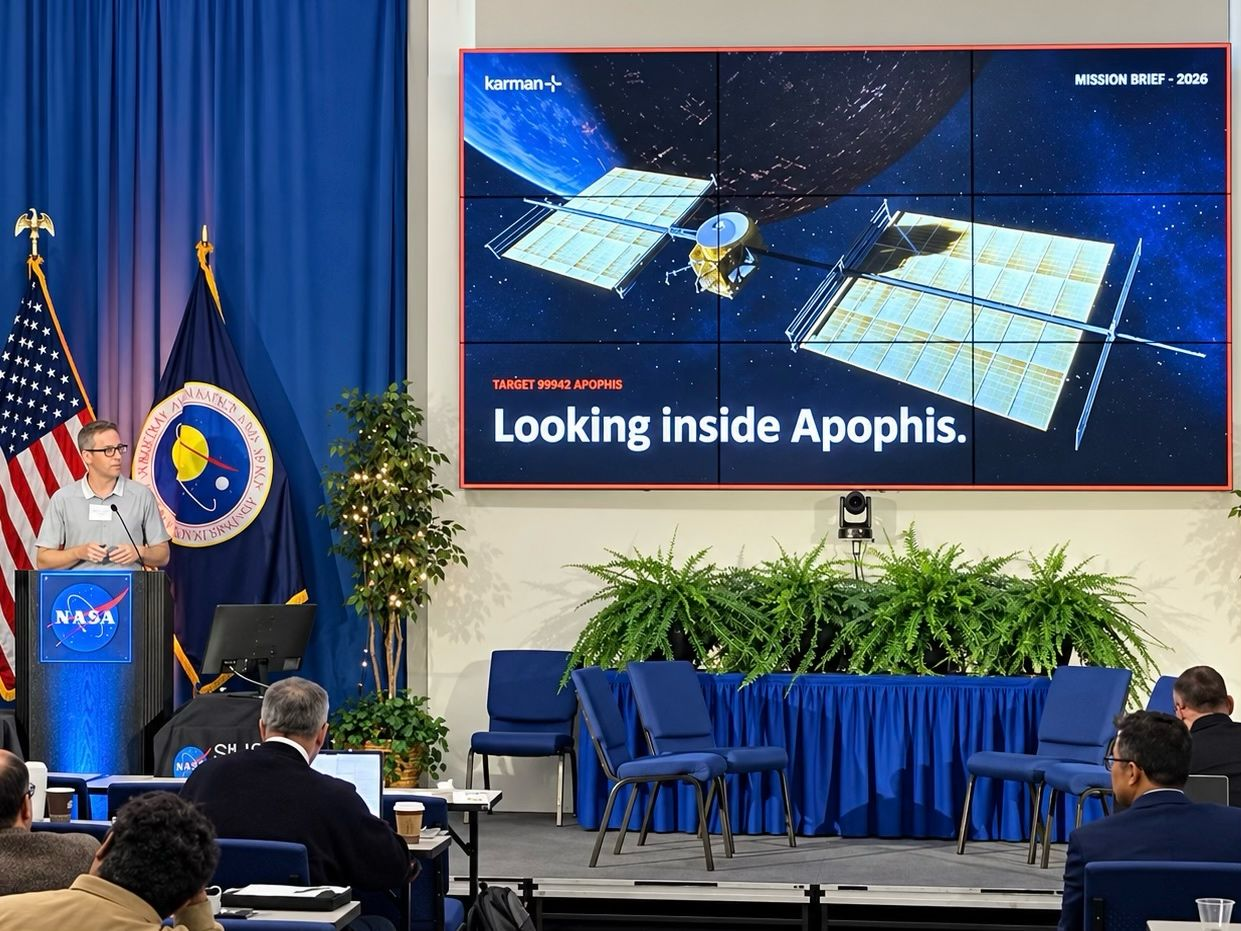
NASA Ames organized a conference on offworld resources together with the USGS last month. We shared our work on getting to Apophis as well as our roadmap to provide asteroid water in space.
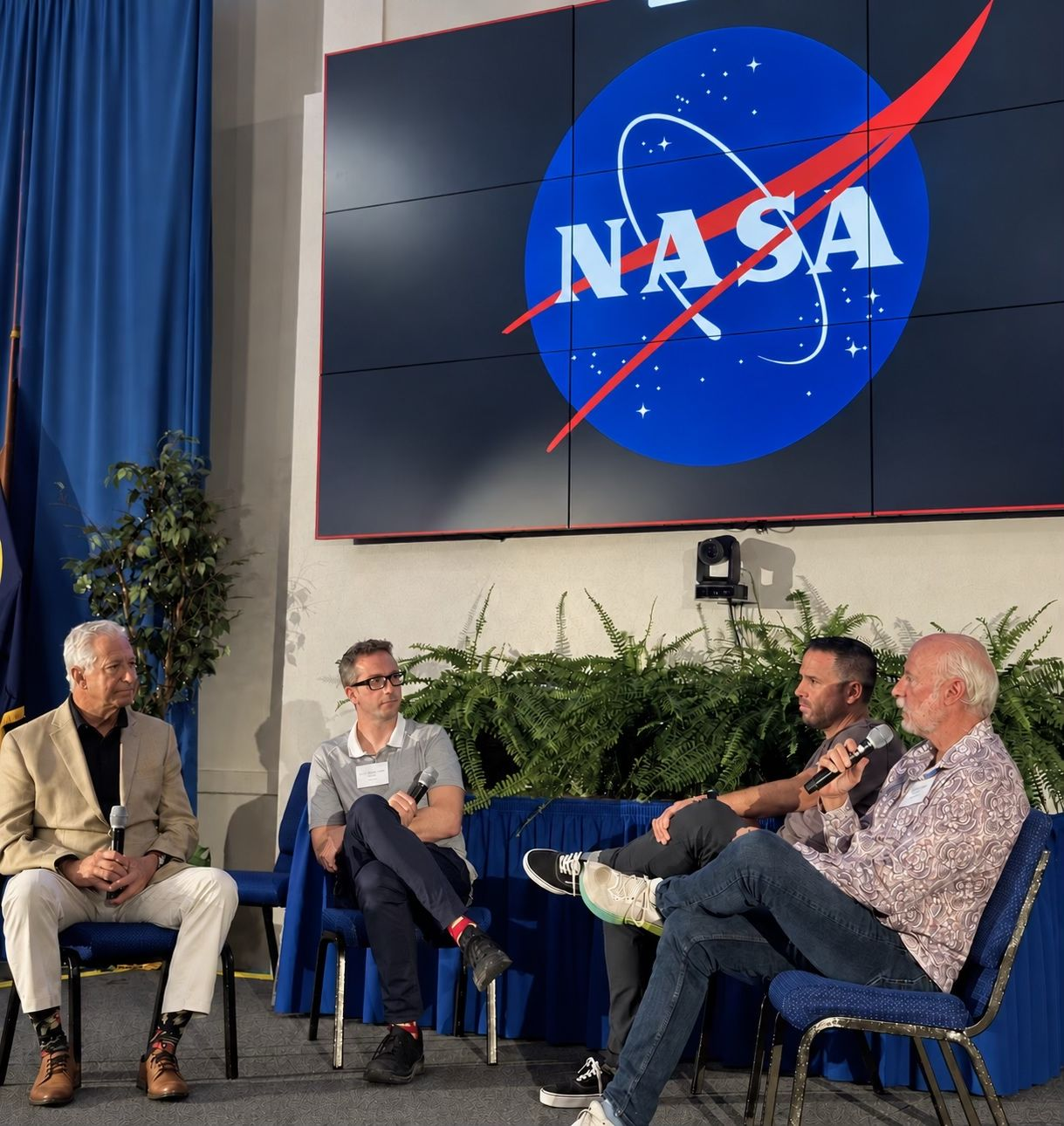
With both Matt Gialich from Astroforge and Joel Sercel from Transastra also attending, we also ran a panel discussion labeled Asteroid Maffia that was moderated by Dominic Gallello of DARPA.
With 3 different roadmaps being explored, we are running a live A/B test to see how we can best make asteroid mining a reality in the coming years!
NASA Ames/USGS Offworld Resources Conference
Thanks for joining us on this adventure!
The Karman+ Team