

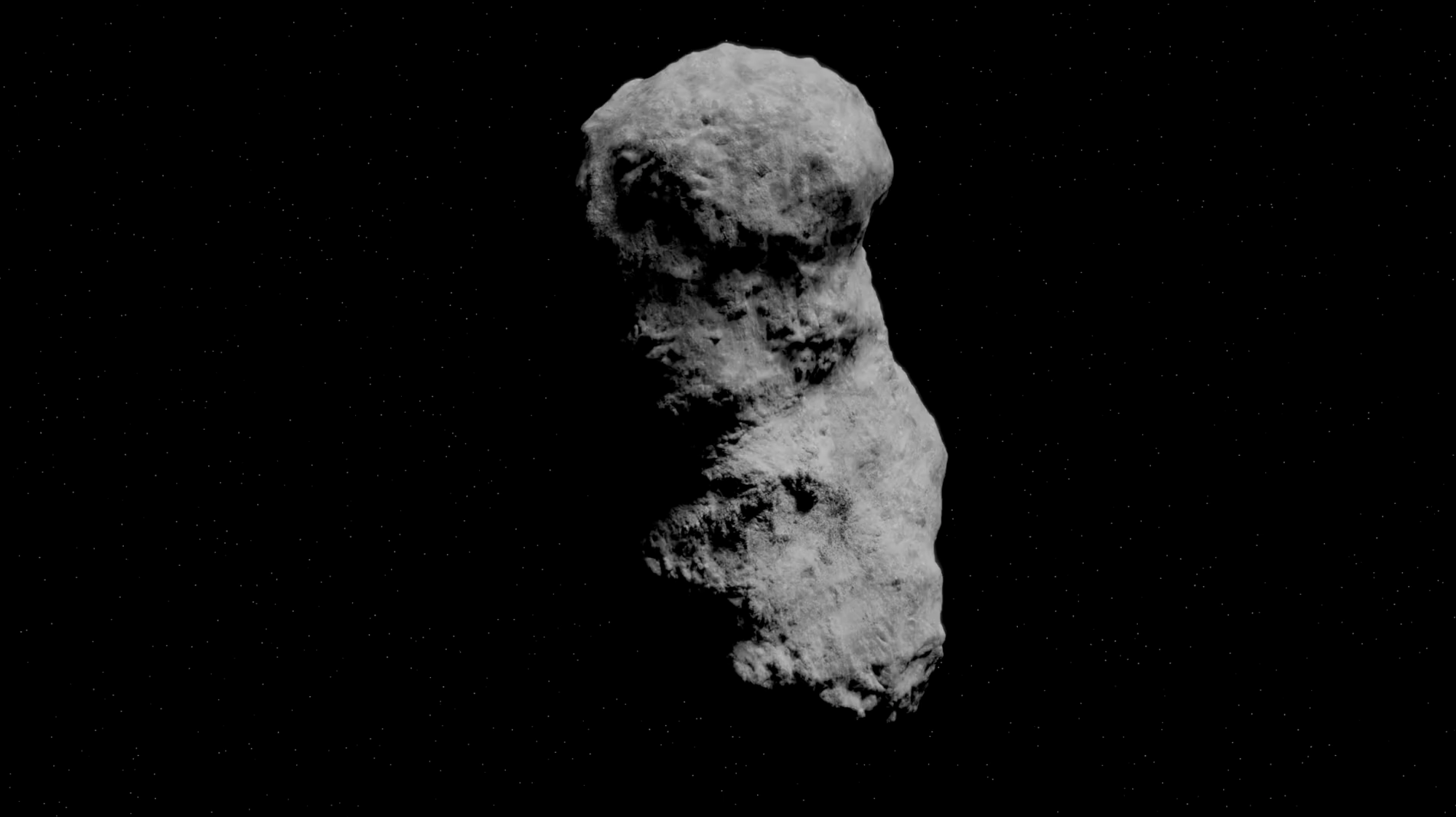
Our first mission is going to asteroid Apophis.
Our entire approach to mission design is focused on flexibility, making sure that we can adjust and optimize if a better target comes along or if anything shifts and changes with the launch of our spacecraft. We had to stress test that flexibility in the last couple of months, as our original launch in early 2027 slipped because our propulsion vendor could not deliver on time.
We had to scramble to find a new slot, which ended up being a mid 2028 launch. Our leaderboard of asteroid targets updated with this new launch and showed asteroid Apophis at the very top, as it is on its close approach to Earth right at the time that we hit Earth escape.
Apophis is a ~340m diameter asteroid that has a very close approach to Earth on April 13 2029, when it zooms past Earth at a distance of ~32,000 km. A target of that size, coming this close, has been studied extensively (in which an Earth impact was definitively ruled out) which offers a lot of benefit to us as a target. And while it is an S-type asteroid (a dry ball of dirt), it will allow us to test our mining tech. And we'll have company at Apophis, several observation missions will be imaging the asteroid while we rendezvous and deploy our tests on the surface.
This will be the first 'small body' that has multiple spacecraft around it!
99942 - Apophis?
Apophis was discovered on the evening of 19 June 2004 at Kitt Peak National Observatory in Arizona. It received the permanent number 99942 on 24 June 2005 and was named Apophis on 19 July 2005 — the Greek name for the ancient Egyptian deity Apep, the god of chaos and destruction.
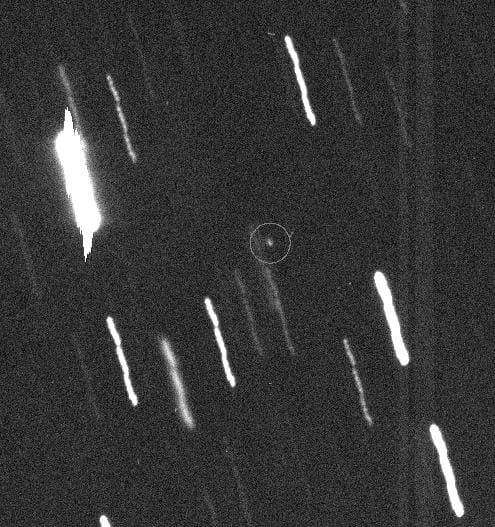
There were some early concerns about a potential impact, which probably played a role in getting that dramatic name. Subsequent observations ruled out that risk for both this 2029 close approach as well as for future close approaches.
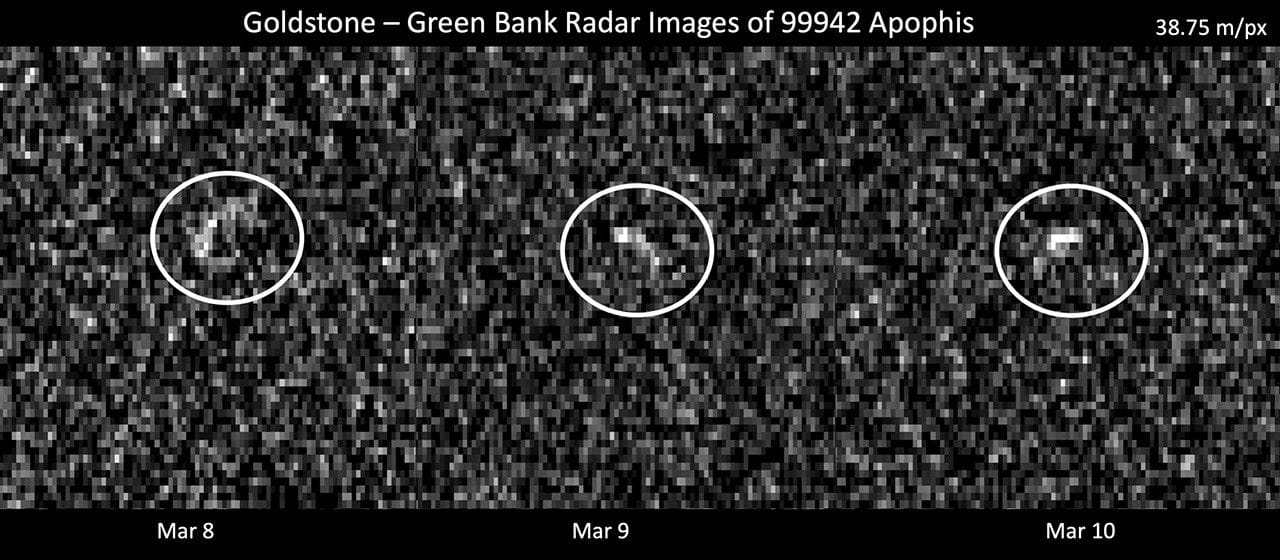
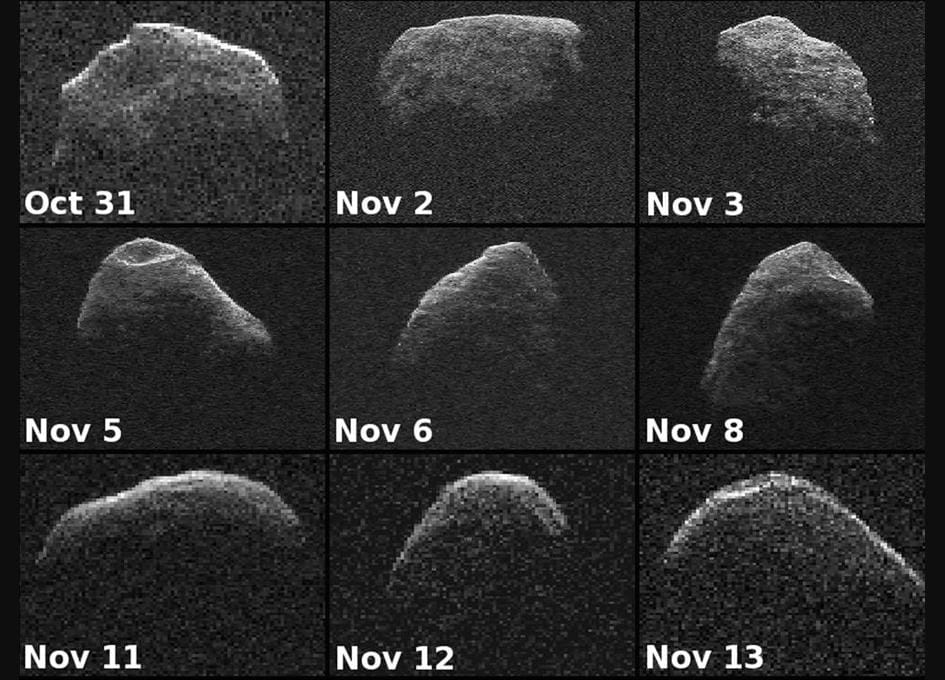
If you go outside on April 13 2029 somewhere in the North Africa/Europe area, you will be able to briefly see Apophis with the naked eye. This close approach for a relatively large asteroid has kicked off a series of missions that will be taking much higher resolution images and will run several experiments.
NASA -> OSIRIS-APEX (rebranded from OSIRIS-REx)
The O-REx spacecraft went to asteroid Bennu to collect a sample which it returned a number of years ago. The spacecraft was still in good shape and was sent to rendezvous with Apophis which it is expected to do right after its close approach where it will follow and study the asteroid for 18 months.
ESA/JAXA -> Ramses
Rapid Apophis Mission for Space Safety, stupid acronyms... This mission profile is interesting though, as it will carry a main spacecraft and several small cubesats that will be deployed. Spectrometers, seismometers, laser and optical imaging.
It plans to arrive 2 months before the close approach and will follow for about 6 months of observation time.
Several other missions have been proposed/announced but are less clear from a timeline and feasibility perspective.
With all of that activity, why are we going?
Apophis is a target of opportunity for us, we would prefer a C-type rubble pile with lots of water over the desert environment we'll likely find. But this first mission is a technology demonstration, not a mining mission with customers waiting for water.
The benefits of going to what will be the most observed asteroid ever, running a series of tests that are unique to our mission and adding new value to what everyone else is doing is very attractive.
We learn faster, learn more and can calibrate our models and operations directly.
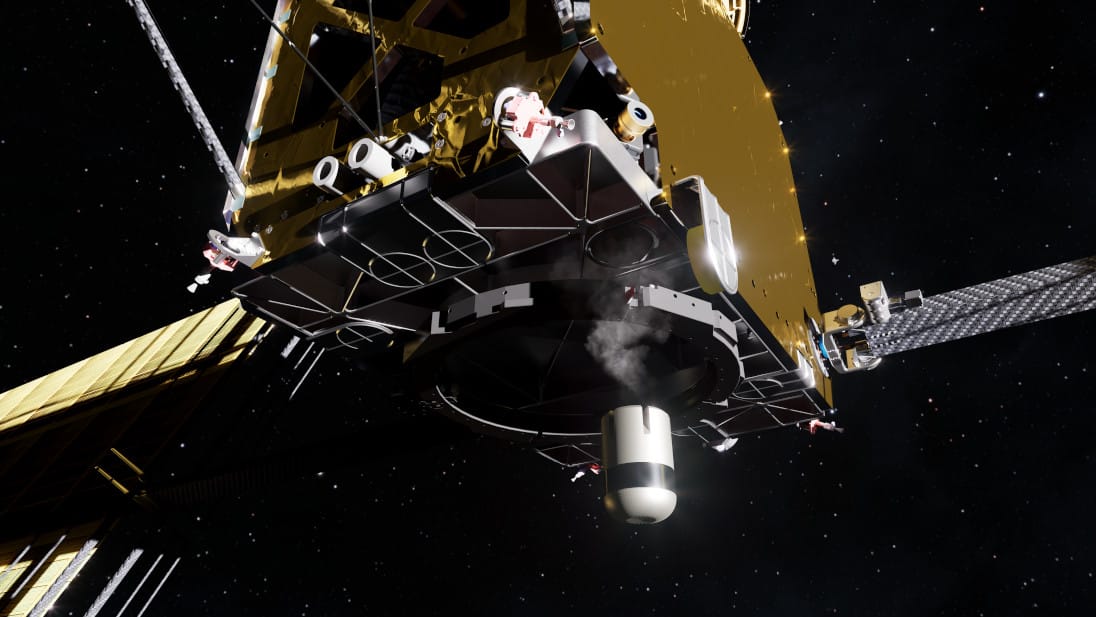
Our spacecraft design and architecture only needed small changes to make this mission possible. We'll share a deeper dive on those soon.
Thanks for joining us on this adventure!
The Karman+ Team