

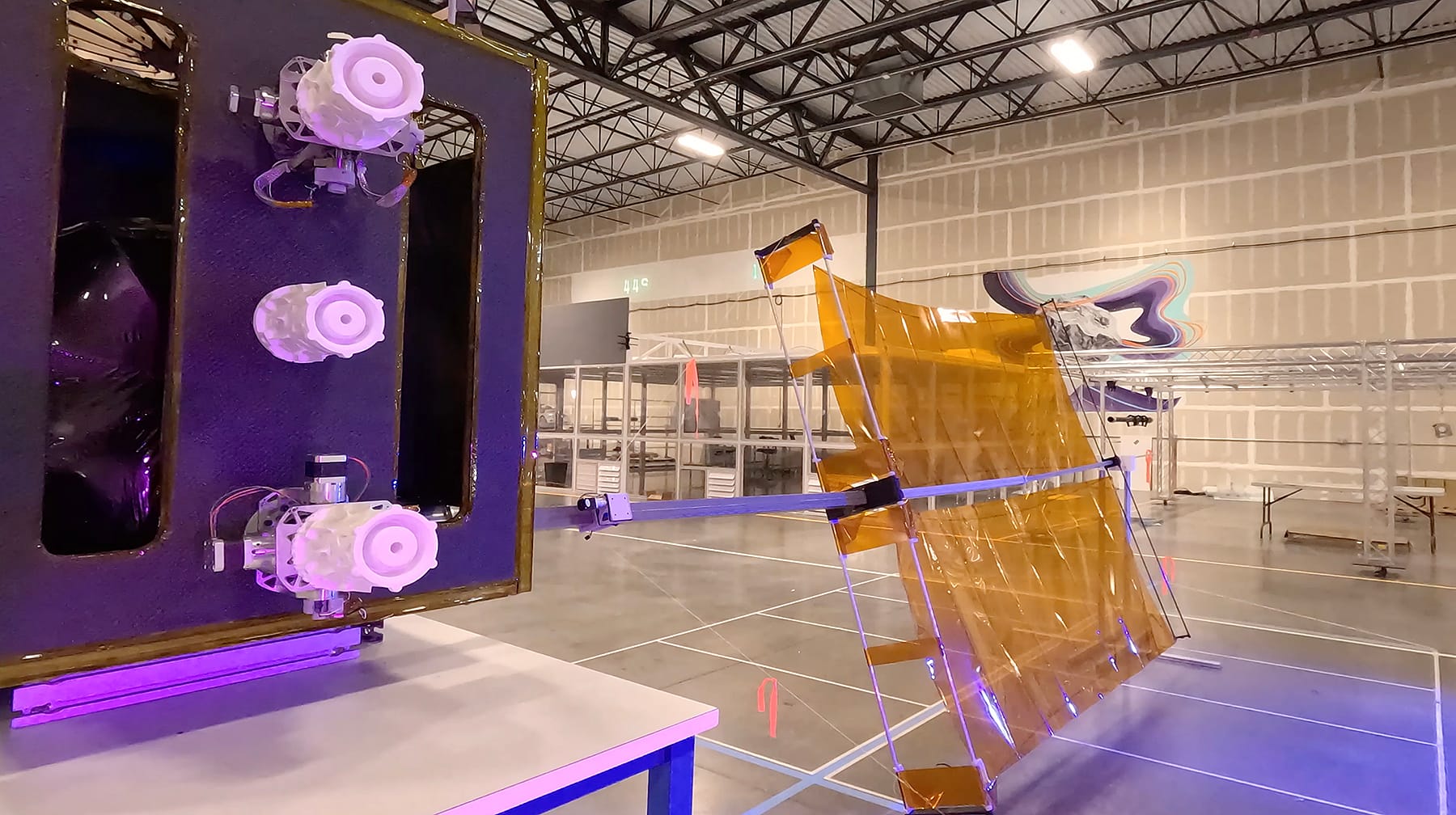
With all of the parts and components for our spacecraft ordered and on their way, we are currently going through rapid iterations of our design with a series of full scale builds. These engineering models help identify issues and challenges early, as well as test out how we can best assemble and integrate all of the different parts of the final build.
This progression from prototype to engineering model to flight model will be the main topic for us in the coming 12 months, as we bring everything together into one cohesive whole. The first flight models are starting to trickle in, allowing us to increase the fidelity of our qualification tests in the coming months.
Our testing facilities ensure that we can run almost all of our components testing in house, with the integrated full spacecraft test as the only one that we may outsource.
Apophis - God of Chaos
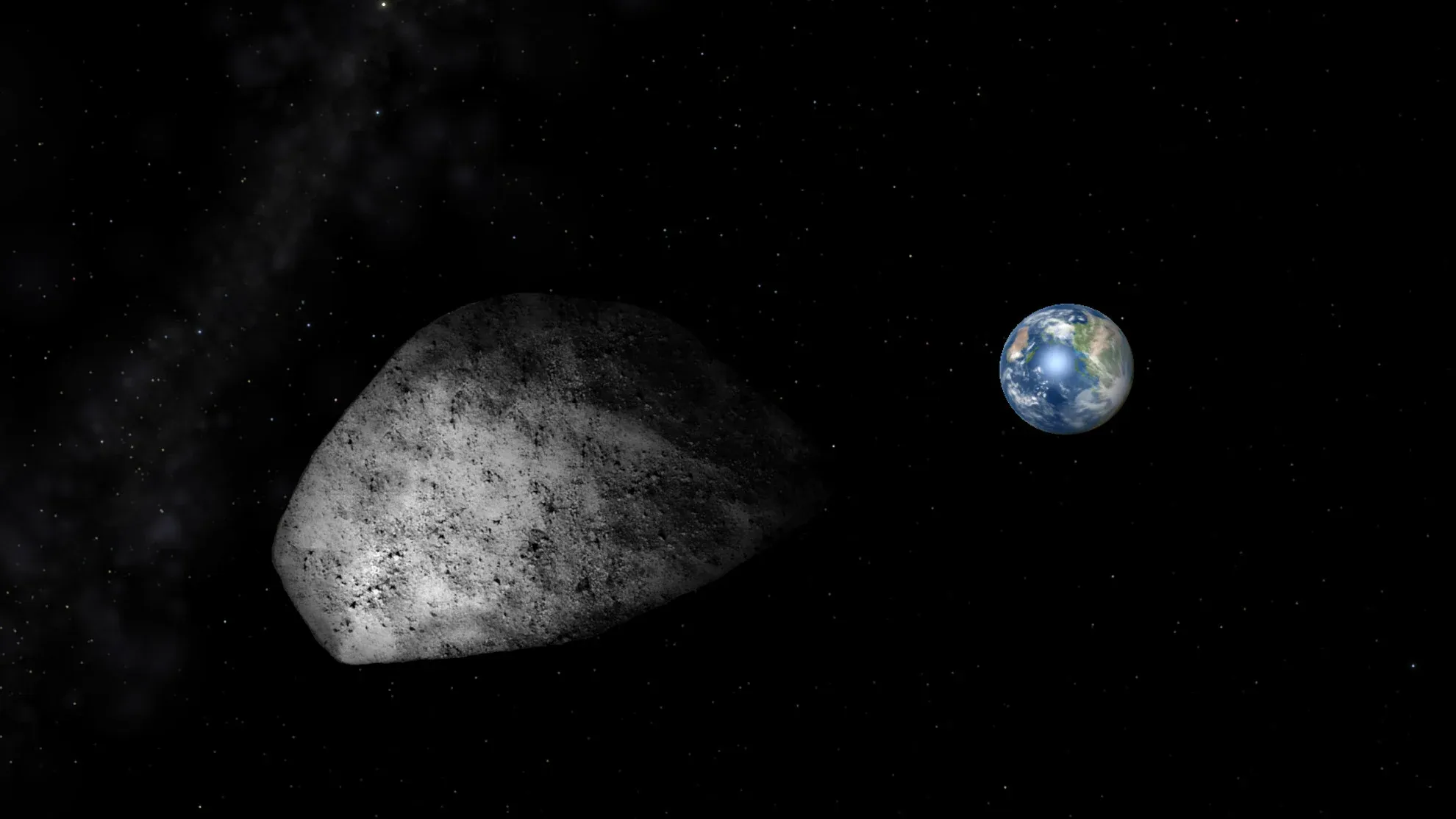
When we talk about near-Earth asteroids, we're talking about everything that co-orbits the Earth in a tight band around where we are, but with a distance to us that typically ranges in the millions to tens of millions of kilometers. Those distances vary massively over time due to the orbital dynamics of the bodies involved, like with asteroid Apophis which is set for a very close approach in 2029.
Named after the God of Chaos, Apophis is a 450 by 170m asteroid that will pass the Earth in a close fly-by that looks to be close enough to see with the naked eye. The ring of satellites that operate in geostationary orbit are orbiting Earth at a distance of 35,786 km, Apophis is expected to pass by underneath that orbit at a distance of 32,000 km. To be clear, Apophis will not hit Earth and will be flying by on its own orbit around the sun until it comes back for a closer fly-by in the mid 2030s.
Although that physical proximity sounds tempting, mission design shows that actually getting to Apophis during its close approach (not just snapping a speeding ticket but a rendezvous that would allow for interaction) will take a massive amount of energy due to the velocities involved. Looking at that specific timeframe, there are several dozen asteroids that are much farther away physically that are a lot easier to reach from an energy perspective. And Apophis is an S-type asteroid, which will be dry as a bone compared to the C-type asteroids that we target.
2025 TF
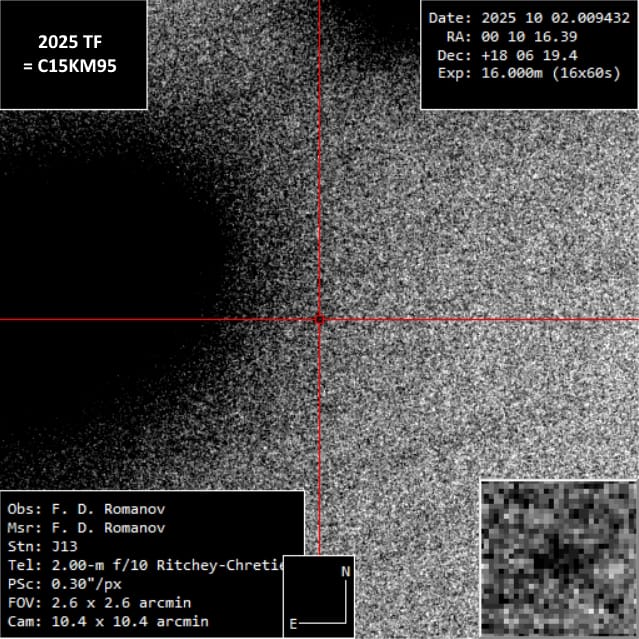
Similar to Apophis, the less dramatically named asteroid 2025 TF recently did a very close fly-by. Its closest approach was over Antartica, with an estimated altitude of about 430 km before it headed out on its way. With a diameter of just a couple of meters, it was only discovered several hours after it had already past on its way back into deep space.
Although it is unclear if this is the case with 2025 TF, Earth is known to have several of these small meter-sized asteroids not just co-orbiting but actually orbiting Earth as a mini-moon at any given point. These tiny objects are captured by our gravity well and can spend months or even years orbiting us, before either burning up in the atmosphere or heading back out again.
Detection remains an issue with how small and dark these objects are, but this mechanism where our gravity well functions like a giant vacuum that captures these objects naturally is fascinating and something we may very well look at for future missions.
Asteroids are awesome!
High Frontier Mission Update
Our primary mission objective for mission 1 is:
To rendezvous with an uncharacterized near-Earth Asteroid and showcase capturing regolith at kilogram scale, minimizing mission duration and cost.
We're launching in ~15 months on Transporter 19.
This post is for subscribers on the K+ in depth tier only.
Subscribe now and have access to all our stories, enjoy exclusive content and stay up to date with constant updates.