


We are in full build&test mode at the moment, across all of the components on our spacecraft.
Design->Build->Test->Break->Redesign
This last quarter was a bit of a disappointment for lunar activity (ispace' Hakuta-R mission 2 crashed on the lunar surface) and for programs like Starship (both the booster and the ship disintegrated, with the latter doing so before it was able to test any of its deployment architecture). We did see some exciting news about asteroid missions as well:
Tianwen-2
The Chinese space agency CNSA has launched its Tianwen-2 mission, which is on its way to near-Earth asteroid 469219 Kamoʻoalewa to sample and return material after its 2027 rendezvous. The spacecraft is designed to grab 100 grams of material and also uses solar electric propulsion similar to our design. With a launch mass of 2,100 kg, it is significantly heavier than our design though.
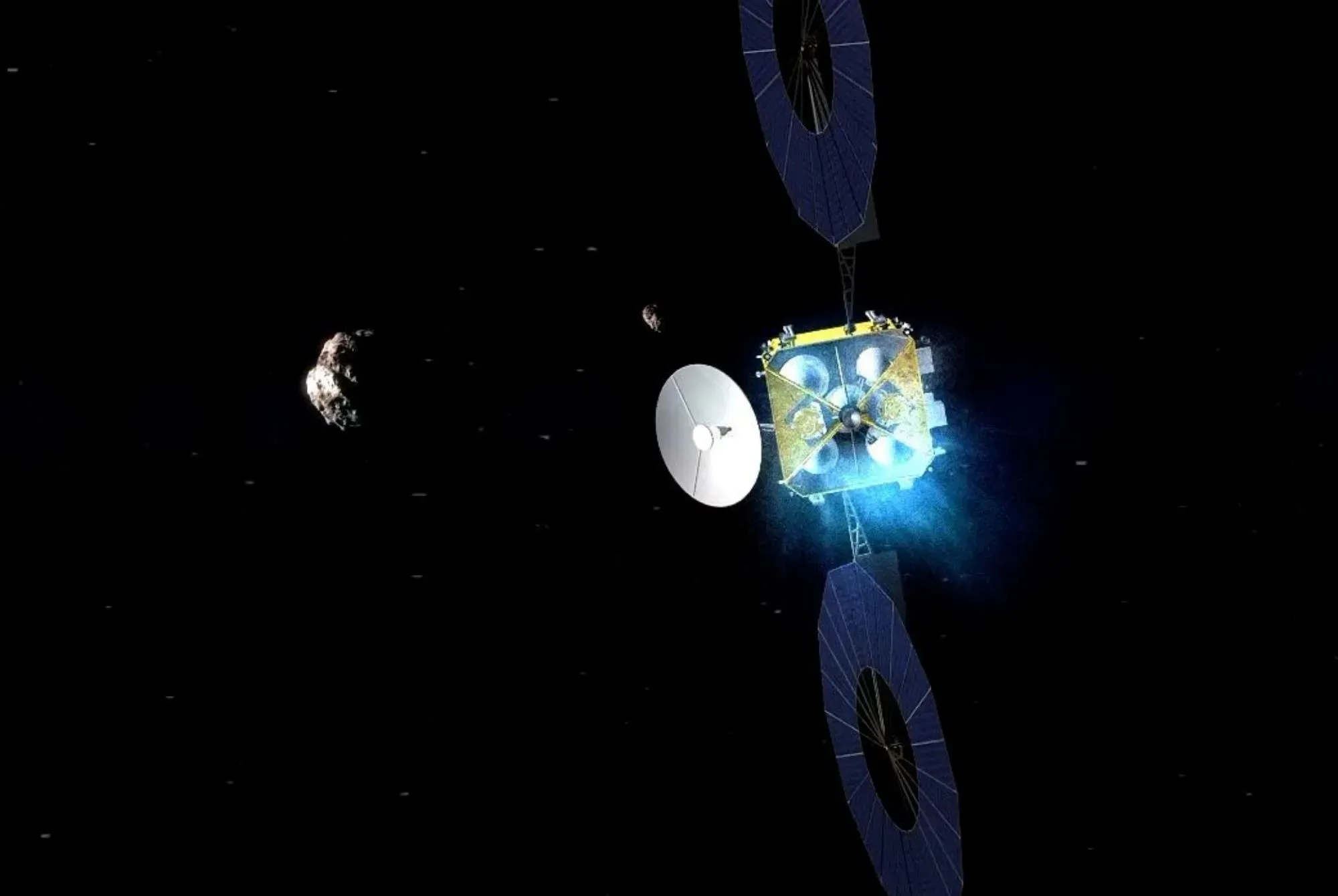
One interesting choice in mission architecture that jumps out is that they are planning to use both a TAG (touch-and-go) asteroid interaction as well as a tethered interaction. Both O-REx and Hayabusa2 used a TAG design, as does our mission given the expected surface conditions (C-type rubble pile).
Based on the data available for 469219 Kamoʻoalewa, it is expected to be a small rocky S-type that is expected to be a fast rotator ruling out the rubble pile archetype. With a diameter of 40-70m, it is expected to rotate around its axis once every 28 minutes. That rapid rotation and expected consistency make a TAG much more complicated and potentially hazardous for the spacecraft, which makes the tethered experiment more interesting and appealing in this case.
Lucy
NASA spacecraft Lucy has been on a tour of the solar system since 2021 and just had another close encounter with an asteroid, showing asteroid 52246 Donaldjohansen at a separation of about 1,000 km.
Based on this and followup images, researchers are positing that this asteroid is actually a conglomeration of 2 separate asteroids that somehow intersected and stayed connected, with its narrow link between 2 lobes connecting the 2 separate bodies.
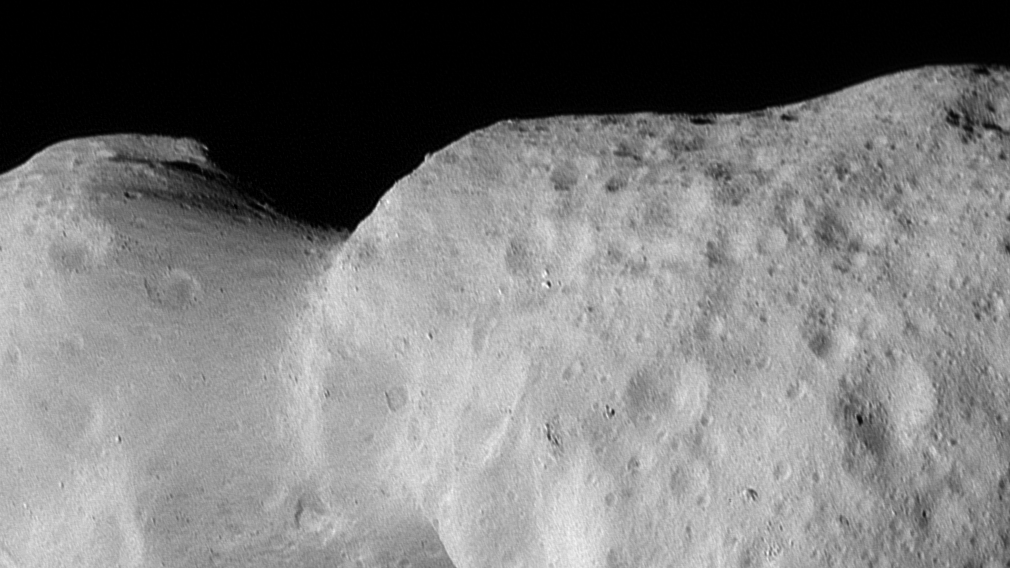
While originally thought to be a ~5km single body, the new close-up observations are showing an elongated body that is about 8km long and 3.5km wide, slowly rotating with a period of about 10 hours.
Asteroids are awesome!
High Frontier Mission Update
Our primary mission objective is:
To rendezvous with an uncharacterized near-Earth Asteroid and showcase capturing regolith at kilogram scale, minimizing mission duration and cost.
We're launching in ~18 months on Transporter 19.
This post is for subscribers on the K+ in depth tier only.
Subscribe now and have access to all our stories, enjoy exclusive content and stay up to date with constant updates.