

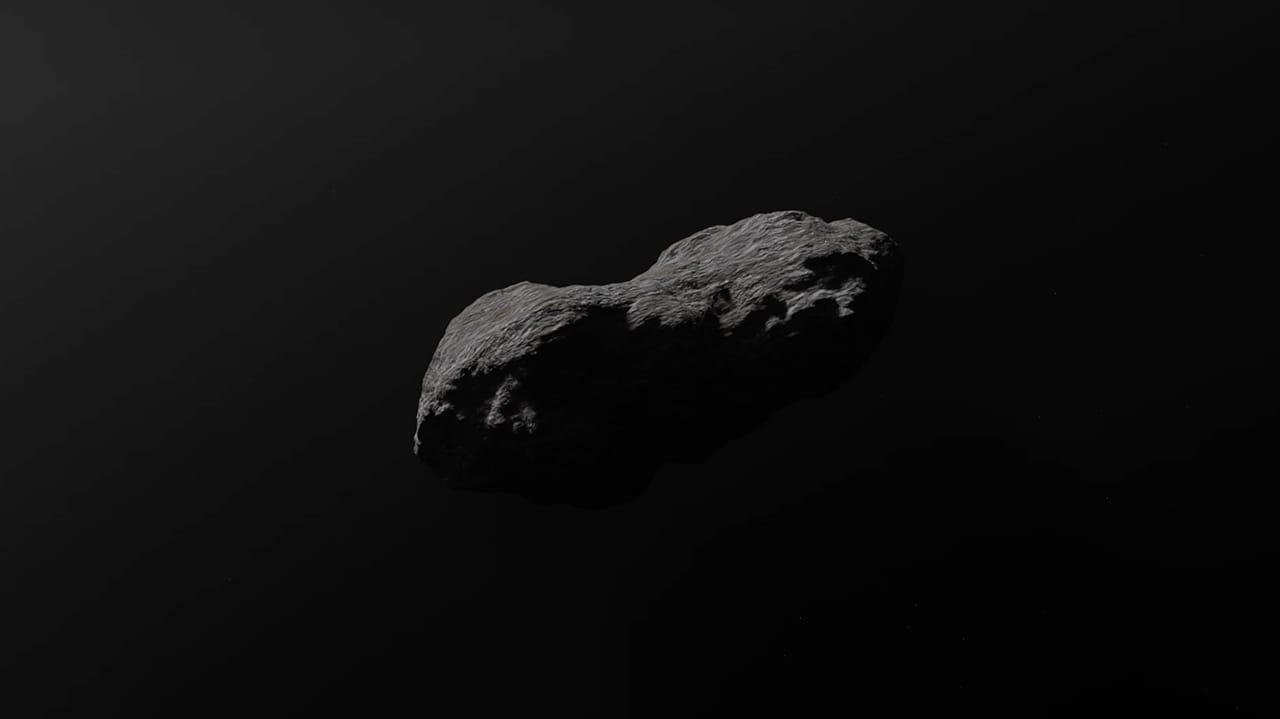
Everything we encounter in the solar system is moving, both on its path around the sun as well as on some sort of spin around one or more axis. That rotation rate is one of the bigger unknowns for any asteroid we target, in part because only a small portion of the total observed population (~10-15%) has that data available at all and in part because there is a fairly wide error band (from ~1% all the way up to 100%) around the observations we do have.
This rotation rate is crucial for mission design at 2 levels. Very tactically, every step up in rotation rate increases complexity and challenges for the portion of our mission where we interact with the asteroid in question. For a very fast rotator, we need to either try to match that rotational velocity before descending (ultra-high precision formation flying) or we need to approach at one of the poles. A slow rotator is simpler, cheaper (we need less fuel for that interaction) and safer.
There is a second, more strategic driver for our work on rotation rates that drives our mission design. We leverage a phenomenon called the '2.2 hour spin barrier' as one of the main drivers for our leaderboard and target selection. For our missions to return fuel/water, we want asteroids from the type called a rubble pile (slow rotators, beyond the 2.2 hour barrier) that are C-type (hydrated clays, containing water for us to extract).
An asteroid that spins faster than the spin barrier can't be one of these loosely consolidated 'rubble piles' as any unbound material is simply slung away by its spin force. Similarly, any larger asteroid that is spinning at these higher rotation rates would disintegrate due to the forces imposed on its body.
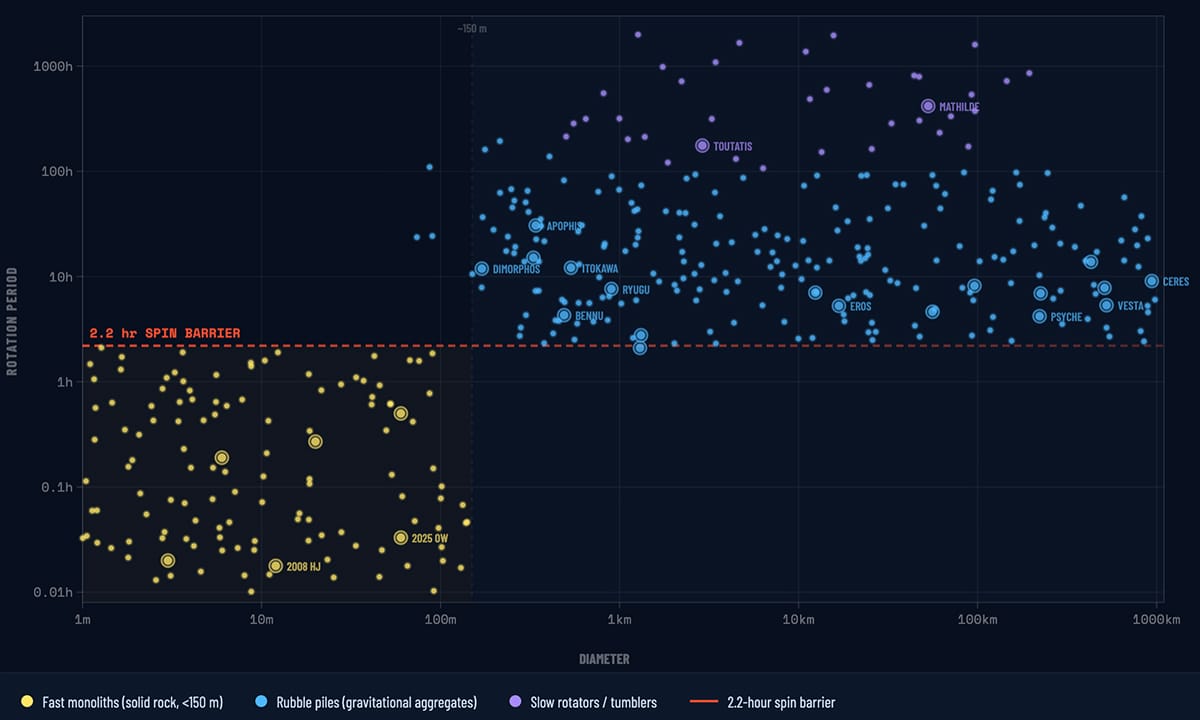
We are exploring a mission concept that focuses on these smaller fast rotators, where we can leverage this spin barrier knowledge to inform the designs of our grappling arms.
3I/ATLAS
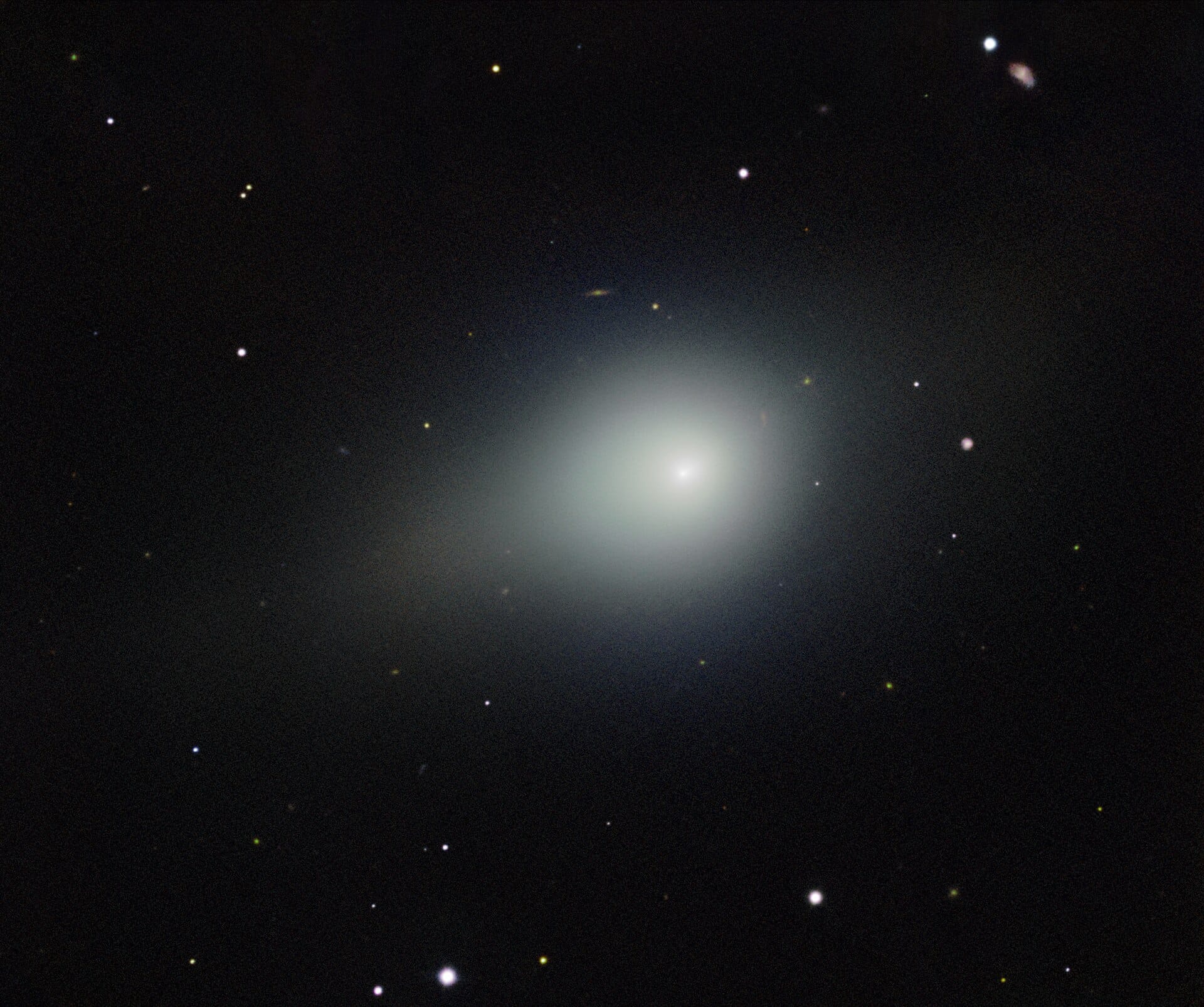
Last year saw a very interesting object that ended up being called 3I/Atlas, the third (hence the 3I or third interstellar label) observed interstellar visitor after Oumuamua in 2017 and Borisov in 2019.
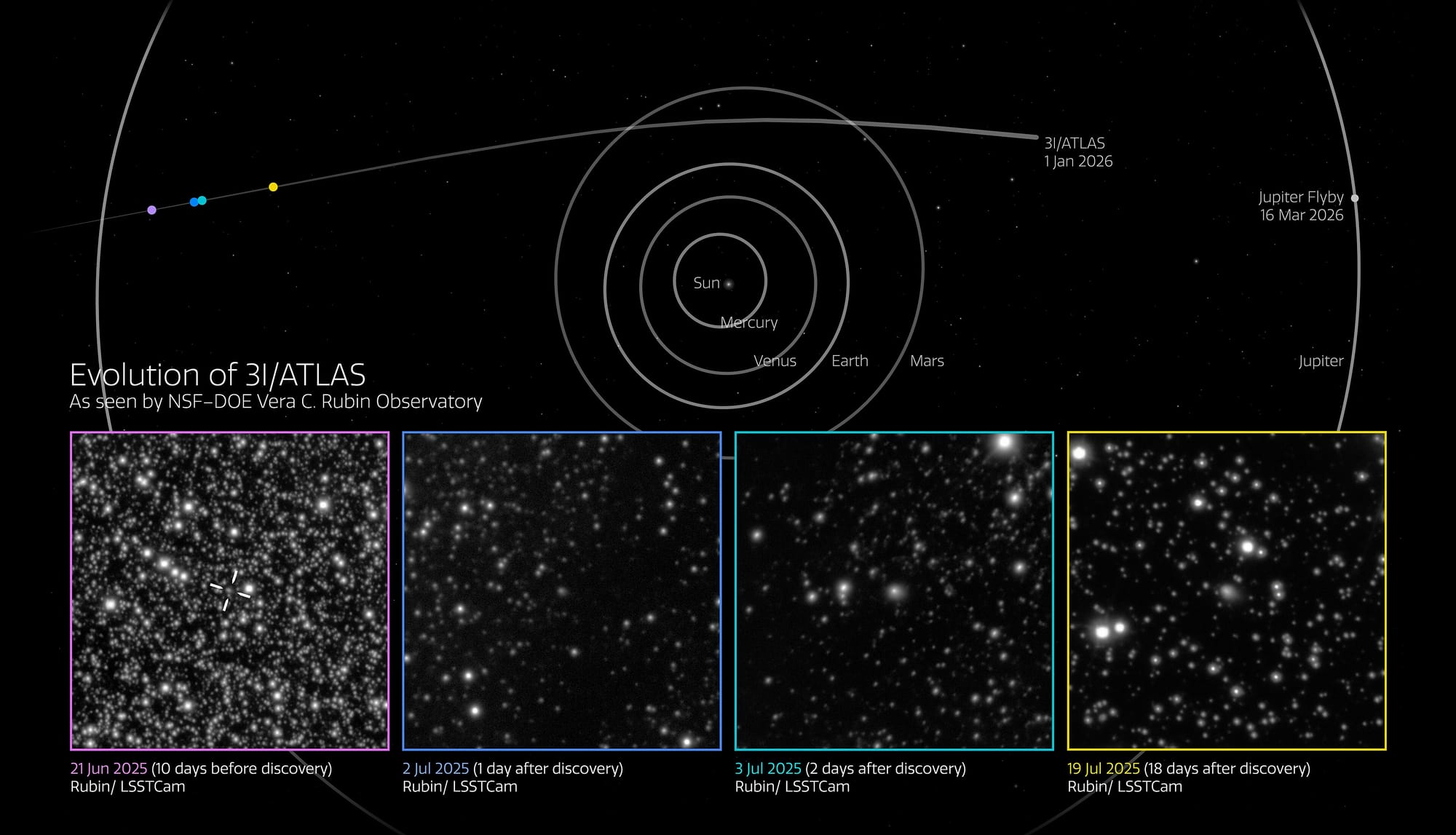
The discovery of Atlas kicked off a campaign of imaging across dozens of space-based and terrestrial observatories to get as much data as possible in the short time it spent in our solar system before heading back out into deep space.
Based on those, the comet is expected to be up to 7 billion years old (significantly more than the 4.5 billion years of our solar system) and measures somewhere between 300 m and 5.6 km (this wide range is at least in part due to its tail, which makes it hard to delineate the comet body).
At its closest approach to Earth, it would have taken ~7km/s of delta-v to rendezvous with the comet which is well within the capabilities of our High Frontier spacecraft.
We look forward to 4I/... as a possible mission target.
Space Gum, anyone?
Several new papers were published about the samples returned from asteroid Bennu. This ranged from a discovery by Yoshihiro Furukawa at Tohoku University in Japan of sugars that are possible building blocks for life to gum and stardust captured from distant supernovae.
Asteroids (and interstellar comets) are awesome!
High Frontier Mission Update
We're launching in 2027 on a Transporter rideshare.
This post is for subscribers on the K+ in depth tier only.
Subscribe now and have access to all our stories, enjoy exclusive content and stay up to date with constant updates.